
Bellyache Bush (var. elegans) Jatropha gossypiifolia var. elegans variety
Bellyache Bush (var. elegans) is an introduced perennial shrub, found in the lower 48 states.
More about this plant
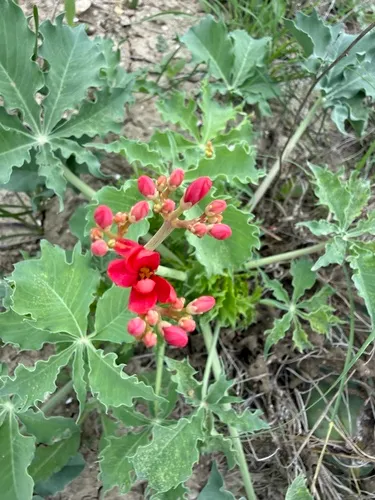
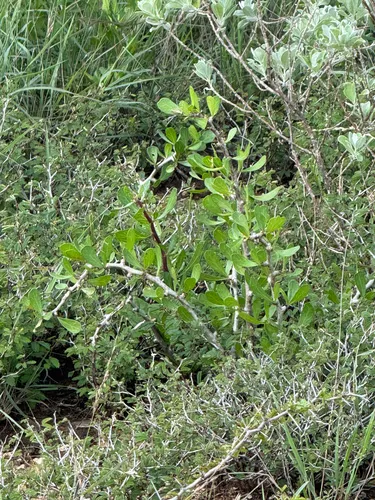
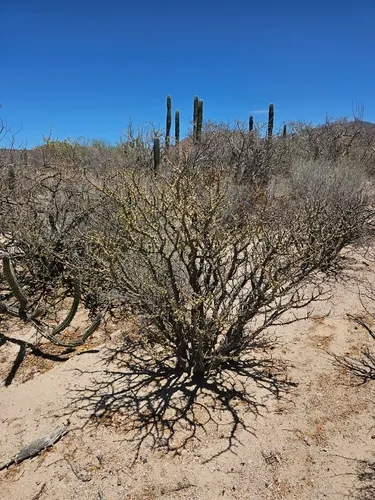
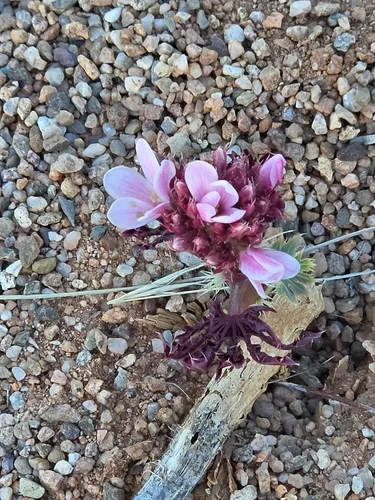
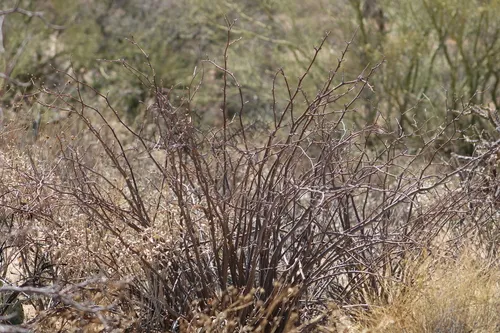
Jatropha gossypiifolia, commonly known as bellyache bush, black physicnut or cotton-leaf physicnut, is a species of flowering plant in the spurge family, Euphorbiaceae. The species is native to Mexico, South America, and the Caribbean islands, but is currently spread throughout the tropics. It is declared noxious weed in Puerto Rico and is naturalised in northern Australia, including Queensland where it is listed as a Class 2 declared pest plant. It grows to 2.5–4 m (8.2–13.1 ft) high. The three lobed leaves are purple and sticky when young and become bright green with age. The small red flowers with yellow centres appear in clusters. These are followed by cherry-sized seed pods that are poisonous. Powdery mildew fungal disease was reported. Wikipedia →
Growing & care
USDA PLANTS · TRY- Hardiness
- ≥ zone 11 derived from its U.S. range
- Lifespan
- Perennial
Wildlife & pollinators
How pollinator value is scored →❧ Caterpillar hosts Documented caterpillar host
Recorded feeding on Jatropha in North America, including:


Related plants
More Jatropha →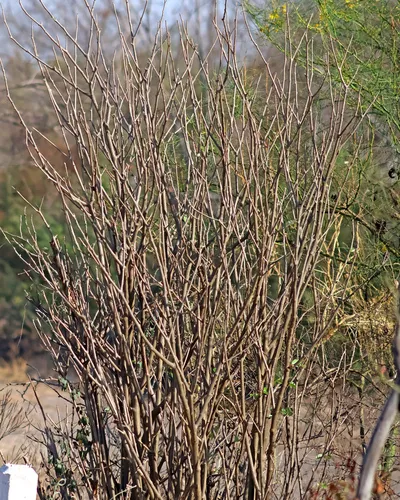
Sources for this entry (11) Open & cited
Cite this page Open data, please attribute
PlantKey’s data is open under CC BY-SA 4.0 — free to reuse and adapt, with attribution and the same licence. Photos keep their own per-image licence + credit (see Sources above).
Loading…
BibTeX
Loading…