
Seaside Juniper Juniperus maritima
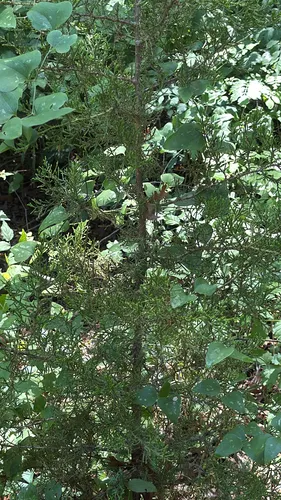
Seaside Juniper is a tree native to Canada and the lower 48 states. It grows to 49 ft.
More about this plant
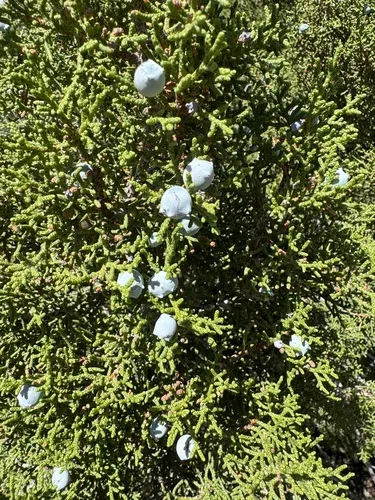
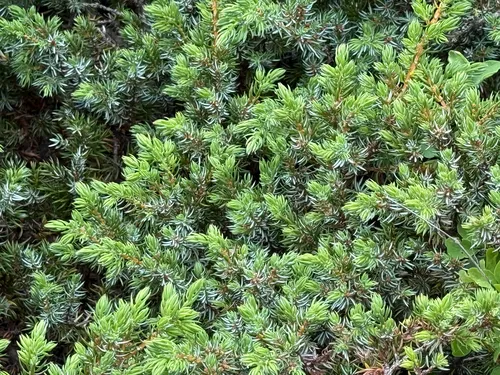
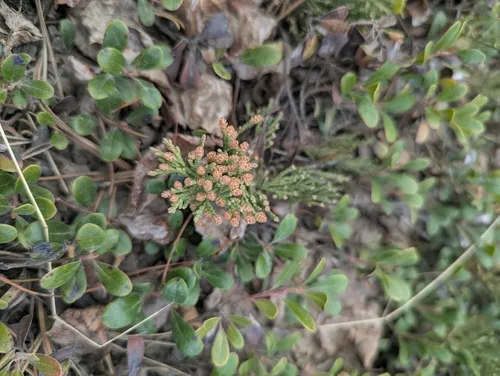
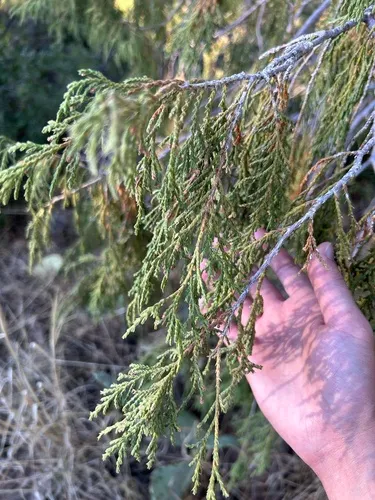
Juniperus maritima is a species of juniper known by the common name seaside juniper. It is native to the central Salish Sea region in southwestern British Columbia and northwestern Washington, where it is an endemic species and is abundant on coast bluffs as well as on dry mountain ridges on the Olympic Peninsula. It was previously included in the description of the Rocky Mountain juniper but was separated in 2007. Genetic analysis revealed that what appeared to be Rocky Mountain junipers in the Puget Sound were not of the same species as those elsewhere. The Puget Sound species also differs in morphology, with faster-maturing cones that have protruding seeds, and other differences. It is especially unique in habitat. The seaside juniper occurs at the edge of the water, next to the sound or the nearby lakes, in a milder, wetter climate on sandy, granite soils, even sand dunes in one location. J. scopulorum grows in drier, rockier substrates in colder locations higher in the mountains. It is also noted that seaside juniper reproduces itself and does not interbreed with other junipers, further evidence that it should be called a separate species. Wikipedia →
Growing & care
USDA PLANTS · TRY- Hardiness
- ≥ zone 9 derived from its U.S. range
- Height
- 49 ft
Wildlife & pollinators
How pollinator value is scored →❧ Caterpillar hosts ~42 caterpillar species
Juniperus supports ~42 caterpillar species.
Native butterfly & moth caterpillars are the base of the terrestrial food web — most songbirds rear their young almost entirely on them. As a host for native Lepidoptera this is a strong genus.
Recorded feeding on Juniperus in North America, including:


+ 8 more species → ↑ show fewer


Related plants
More Juniperus →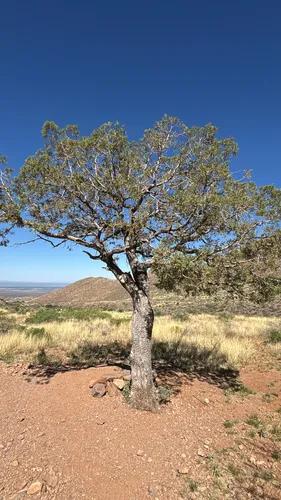
Sources for this entry (13) Open & cited
Cite this page Open data, please attribute
PlantKey’s data is open under CC BY-SA 4.0 — free to reuse and adapt, with attribution and the same licence. Photos keep their own per-image licence + credit (see Sources above).
Loading…
BibTeX
Loading…