
American Water-willow Justicia americana
American Water-willow is a perennial wildflower native to Canada and the lower 48 states. It grows to 2.5 ft and blooms May in full sun, with brown fruit.
More about this plant
Dianthera americana, commonly known as the American water-willow, is an herbaceous, aquatic flowering plant in the family Acanthaceae. This perennial species is native to North America, and can typically be found in abundance throughout the eastern half of the continent along shorelines, in lakes or ponds, or in the shallow riffles of streams and rivers. The species has biological interest because of its unusual vegetative reproduction and historical association with mosquito breeding. Wikipedia →
Growing & care
USDA PLANTS · TRY- Sun
- Full sun
- Soil & moisture
- Medium moisture
- Soil pH
- 5.4–7.6
- Fertility need
- Low
- Adapts to
- Coarse (sandy), Medium (loam), Fine (clay)
- Hardiness
- USDA zone 5+
- Height
- 2.5 ft
- Spacing
- 2–4 ft apart from USDA planting density
- Spread
- Rapid
- Growth rate
- Rapid
- Growth form
- Rhizomatous
- Lifespan
- Perennial
- Foliage
- Broadleaf · fine texture
- Active growth
- Spring
- Fruit
- Brown
- Flower colour
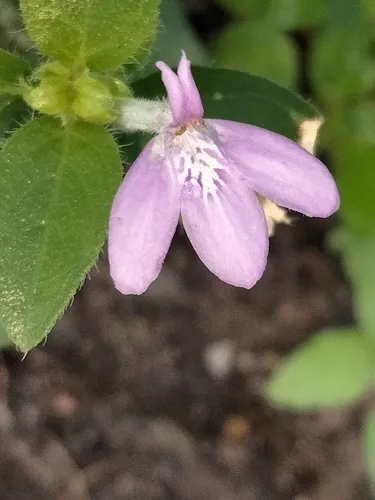
- Purple AI AI image-analysis of community-science photos (~87% expert agreement) — not a botanical record
- Propagate by
- Bare root
- Seed starting
- No stratification needed
- Seeds ripen
- Spring – Autumn seed-collection / harvest window
- In the trade
- Routinely available
- Deer browsing
- Medium moderately palatable
- Resprouts if cut
- No
Sow timing keys off your local last- and first-frost dates.
Wildlife & pollinators
How pollinator value is scored →❧ Caterpillar hosts ~5 caterpillar species
Justicia supports ~5 caterpillar species.
Native butterfly & moth caterpillars are the base of the terrestrial food web — most songbirds rear their young almost entirely on them. As a host for native Lepidoptera this is a modest genus.
Recorded feeding on Justicia in North America, including:


+ 2 more species → ↑ show fewer


Wildlife & visitors 25 nectaring
Open records of who else uses American Water-willow — a generalist food-web signal, kept separate from the keystone Ecological Value.
25 adult butterfly & moth species are recorded nectaring at its flowers — the most-recorded:


Related plants
More Justicia →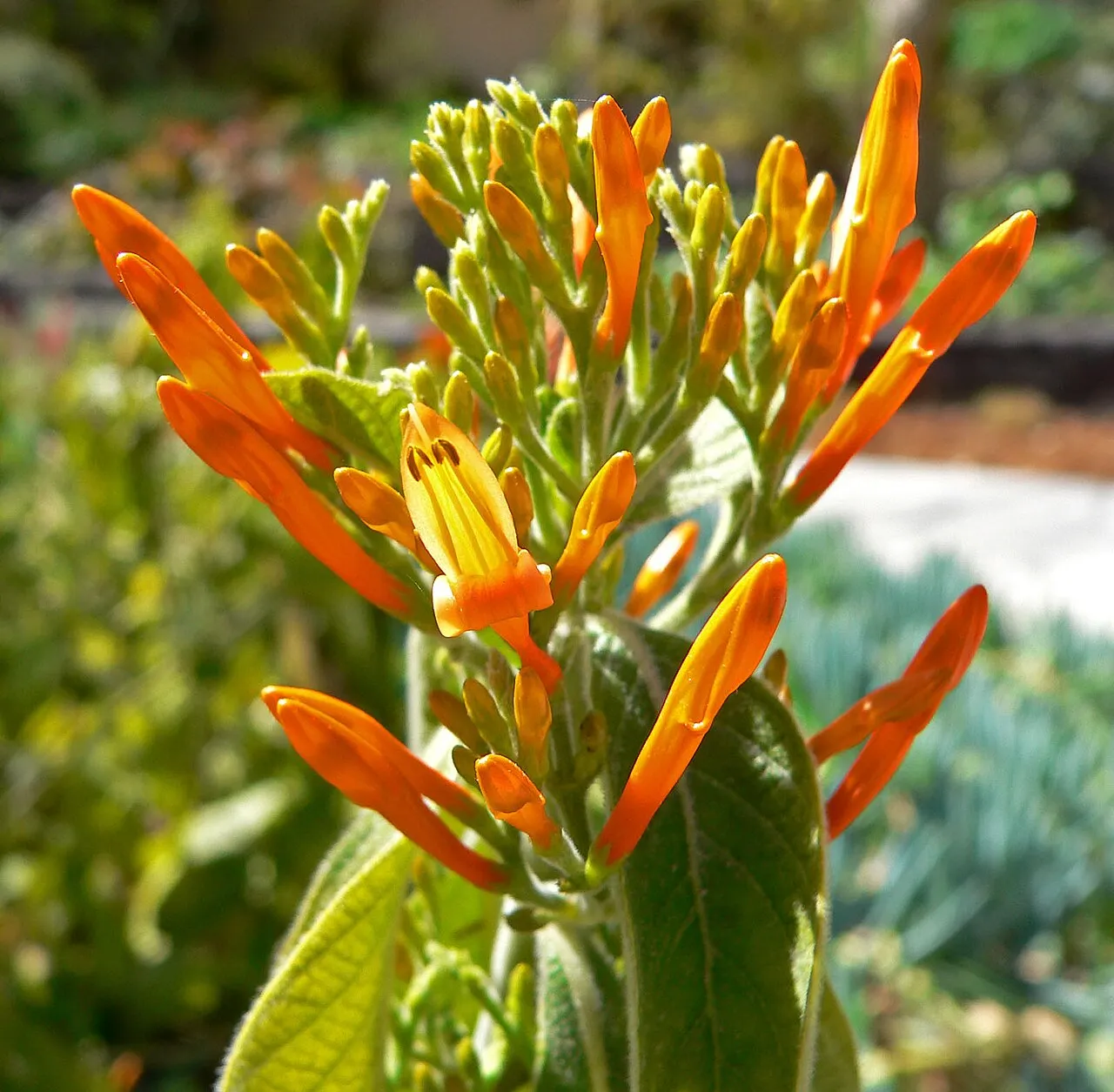
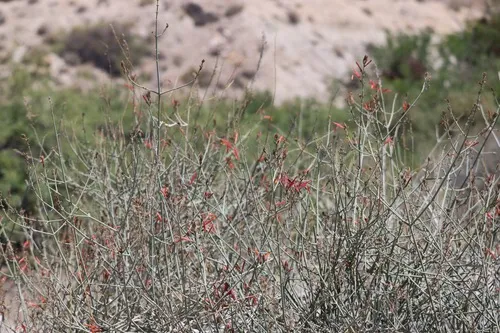
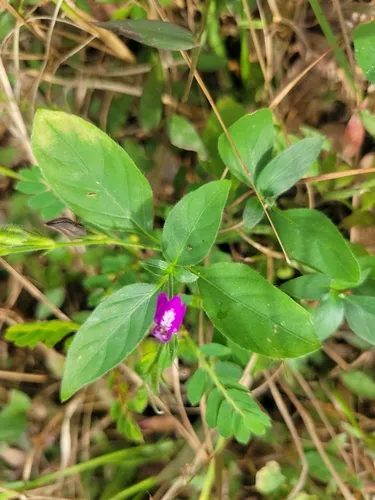
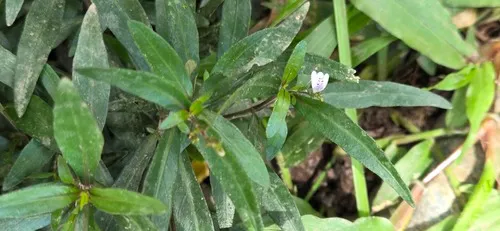
How we know this (1) Methods & honest limits
McKenzie et al. assigned each species a flower colour with a GPT-4V vision model over iNaturalist photos. We use the confident tier plus a separately-labelled lower-confidence top-up (mostly inconspicuous green/brown flowers), and render it as a small tint — never as an asserted fact, and kept out of the written synopsis.
Honest limits: AI image inference (~87% expert agreement on the confident tier); a decorative, confidence-tiered indicator, not a measured trait.
Sources for this entry (29) Open & cited
Cite this page Open data, please attribute
PlantKey’s data is open under CC BY-SA 4.0 — free to reuse and adapt, with attribution and the same licence. Photos keep their own per-image licence + credit (see Sources above).
Loading…
BibTeX
Loading…