
Sweet Bay Laurus nobilis
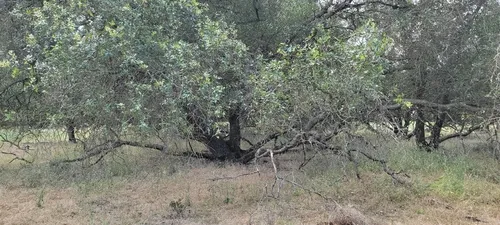
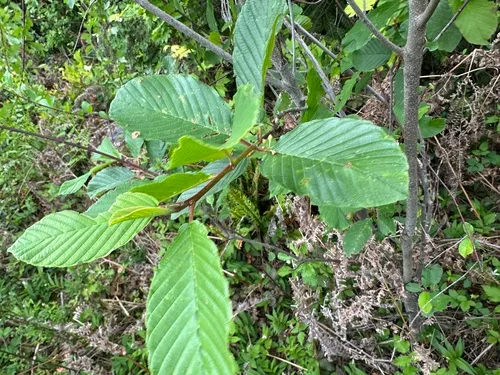
Sweet Bay is an introduced perennial tree, found in the lower 48 states. It grows to 36 ft.
Sweet Bay is flagged invasive in the U.S. These natives fill a similar niche — same growth habit, bloom season, height, and region — so you keep the look and feed local wildlife instead of spreading a problem.
Growing & care
USDA PLANTS · TRY- Hardiness
- ≥ zone 11 derived from its U.S. range
- Height
- 36 ft
- Lifespan
- Perennial
- Foliage
- Evergreen broadleaf
Wildlife & pollinators
How pollinator value is scored →❧ Caterpillar hosts Documented caterpillar host
Recorded feeding on Laurus in North America, including:


✦ Bees 13 bee visitors
13 native & managed bee species are documented visiting Sweet Bay — the 12 most-recorded:


Wildlife & visitors 2 birds · 1 nectaring
Open records of who else uses Sweet Bay — a generalist food-web signal, kept separate from the keystone Ecological Value.
Recorded eaten by 2 birds species (fruit, seed, browse):


1 adult butterfly & moth species is recorded nectaring at its flowers:

Related plants
More Laurus →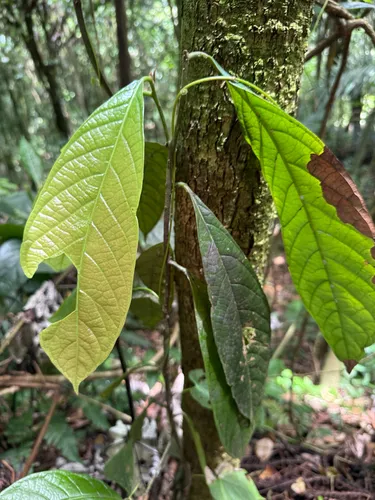
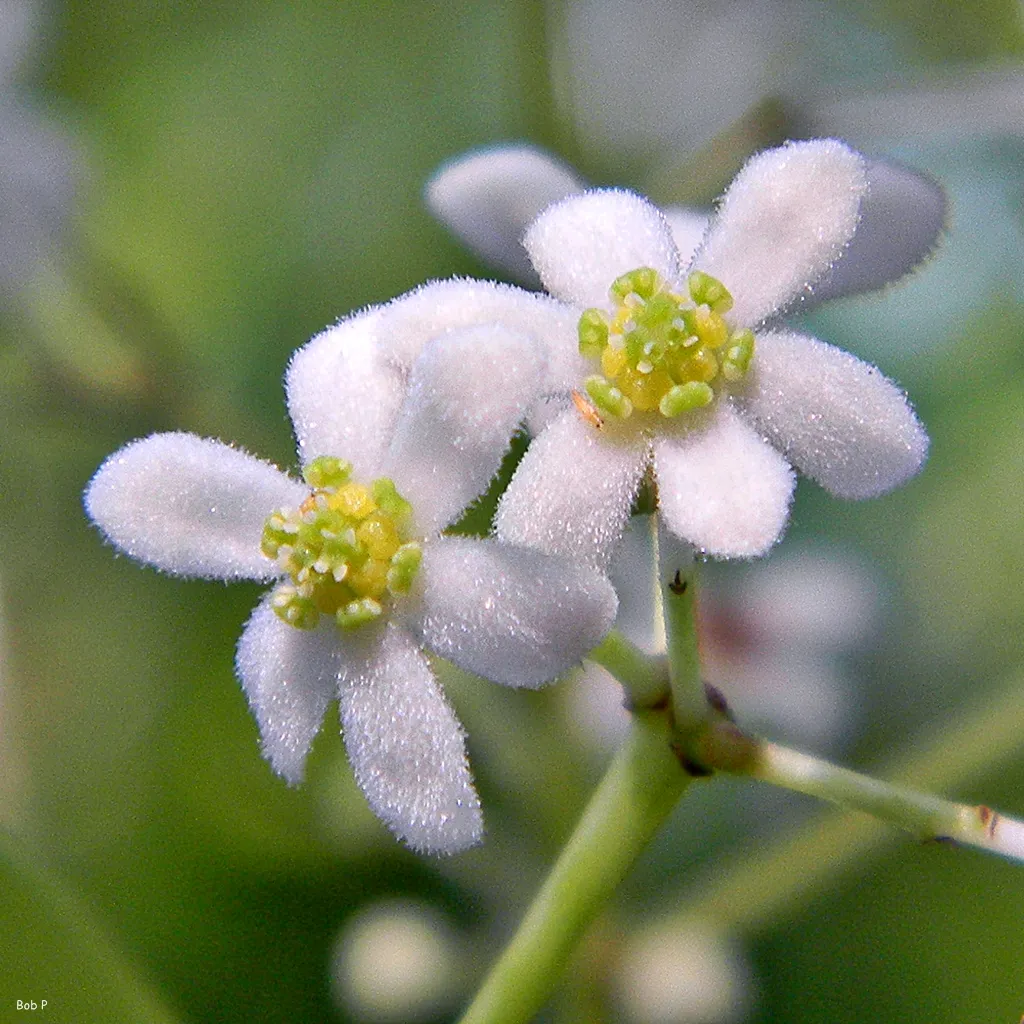
How we know this (2) Methods & honest limits
We read each species’ measured specific leaf area (leaf area per unit dry weight) from the Global Spectrum dataset and band it: thin & fast (high SLA), medium, or thick & tough (low SLA). The global median is about 10 mm²/mg.
Honest limits: A species-mean from pooled measurements — individual plants vary with light and site. A broad strategy signal, not a precise per-plant figure.
A recorded categorical fact: each species is tagged C3 (standard), C4 (heat/water-efficient) or CAM (succulent, night-time CO₂ uptake) — or a facultative combination. We only show a trait card for the noteworthy C4/CAM cases; C3 is the unremarkable majority, kept in the data but not surfaced as a card.
Sources for this entry (19) Open & cited
Cite this page Open data, please attribute
PlantKey’s data is open under CC BY-SA 4.0 — free to reuse and adapt, with attribution and the same licence. Photos keep their own per-image licence + credit (see Sources above).
Loading…
BibTeX
Loading…