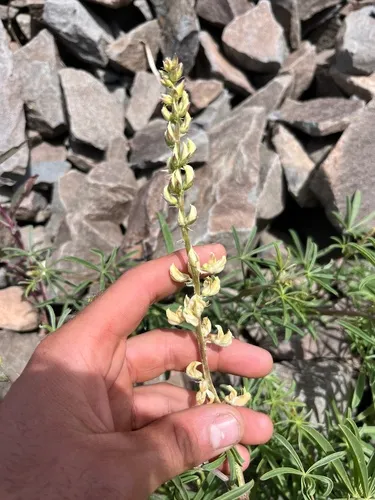
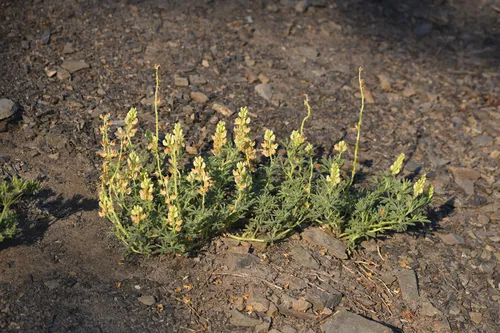
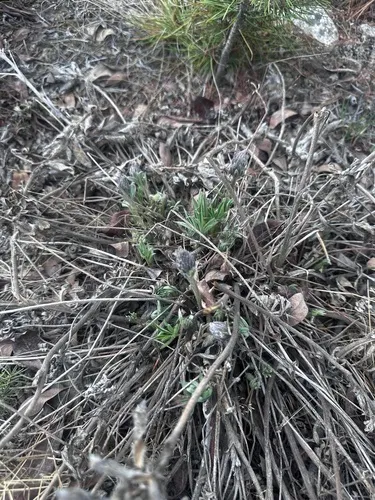
Great Basin Lupine Lupinus ×alpestris hybrid
Great Basin Lupine is a perennial wildflower native to the lower 48 states. It grows to 2.2 ft and blooms Jul in part shade – shade, with black fruit. A host for pollen-specialist native bees.
Growing & care
USDA PLANTS · TRY- Sun
- Part shade – shade
- Soil & moisture
- Low moisture
- Soil pH
- 5.7–7.5
- Fertility need
- Low
- Adapts to
- Coarse (sandy), Medium (loam)
- Hardiness
- USDA zone 4+
- Height
- 2.2 ft
- Spread
- None — clumping
- Growth rate
- Slow
- Growth form
- Single crown
- Lifespan
- Perennial · long-lived
- Foliage
- medium texture
- Active growth
- Spring & summer
- Fruit
- Black
- Propagate by
- Seed
- Seed starting
- No stratification needed
- Seeds ripen
- Summer – Autumn seed-collection / harvest window
- In the trade
- No known commercial source
- Deer browsing
- Medium moderately palatable
- Resprouts if cut
- No
Sow timing keys off your local last- and first-frost dates.
Wildlife & pollinators
How pollinator value is scored →❧ Caterpillar hosts ~33 caterpillar species
Lupinus supports ~33 caterpillar species.
Native butterfly & moth caterpillars are the base of the terrestrial food web — most songbirds rear their young almost entirely on them. As a host for native Lepidoptera this is a strong genus.
Recorded feeding on Lupinus in North America, including:


+ 8 more species → ↑ show fewer


✦ Bees specialist-bee host
Specialist native bees depend on it.
Some native bees are pollen specialists (oligolectic) — they raise young only on pollen from particular plant genera. Lupinus is a recorded specialist-bee host, so losing it can mean losing the bee that relies on it.
Related plants
More Lupinus →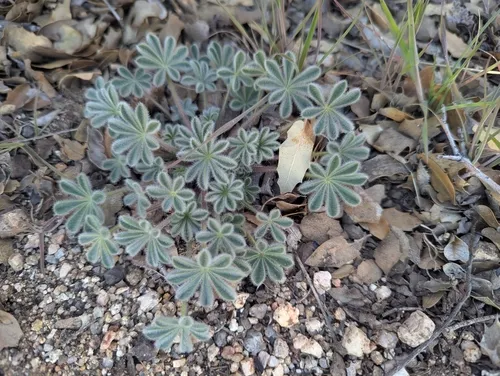
Sources for this entry (20) Open & cited
Cite this page Open data, please attribute
PlantKey’s data is open under CC BY-SA 4.0 — free to reuse and adapt, with attribution and the same licence. Photos keep their own per-image licence + credit (see Sources above).
Loading…
BibTeX
Loading…