PlantKey Open ecological atlas
Planner
Home / Browse / Muehlenbeckia / Sprawling Wirevine
Wikimedia Commons — CC, credited & licensed per image
Polygonaceae family

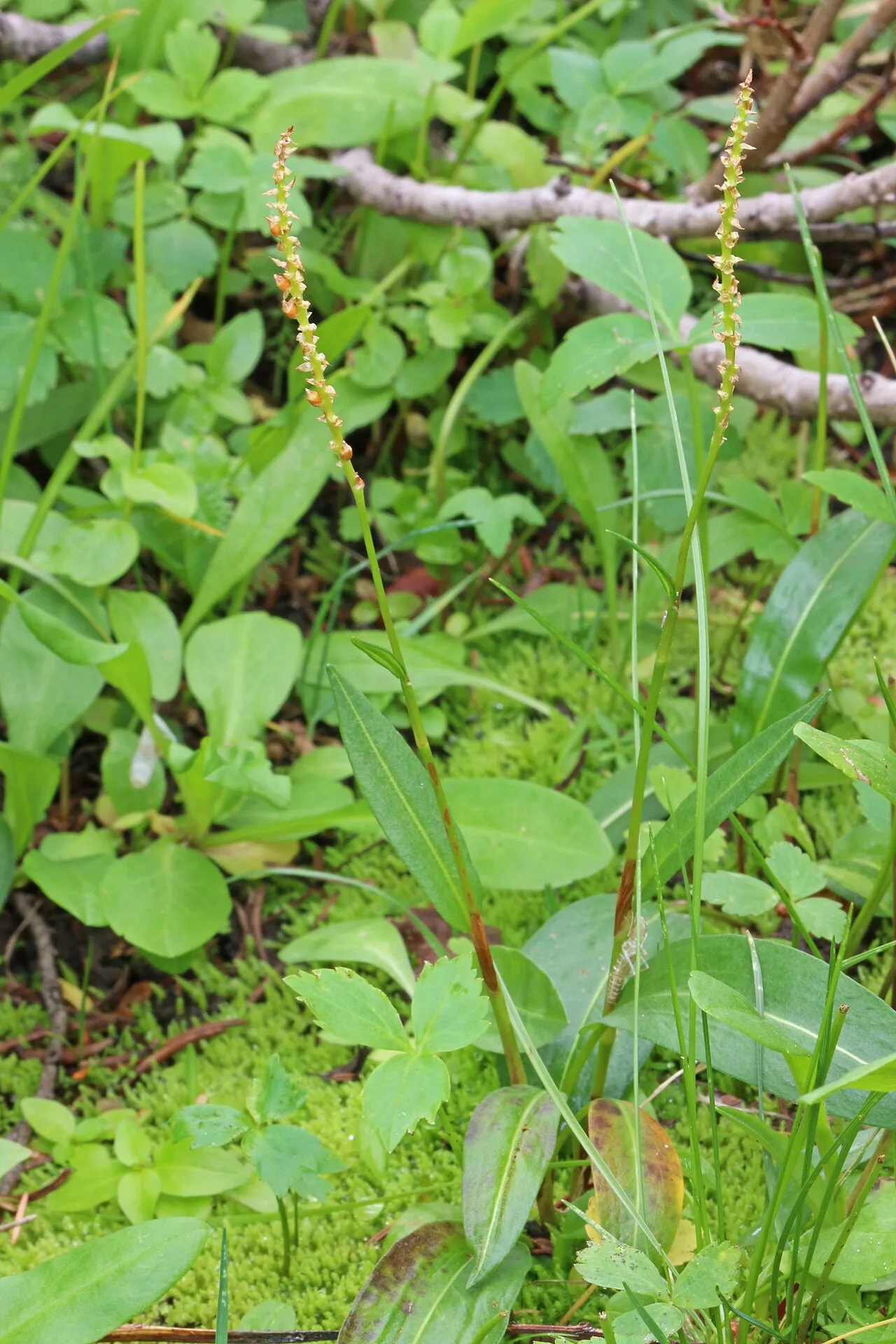
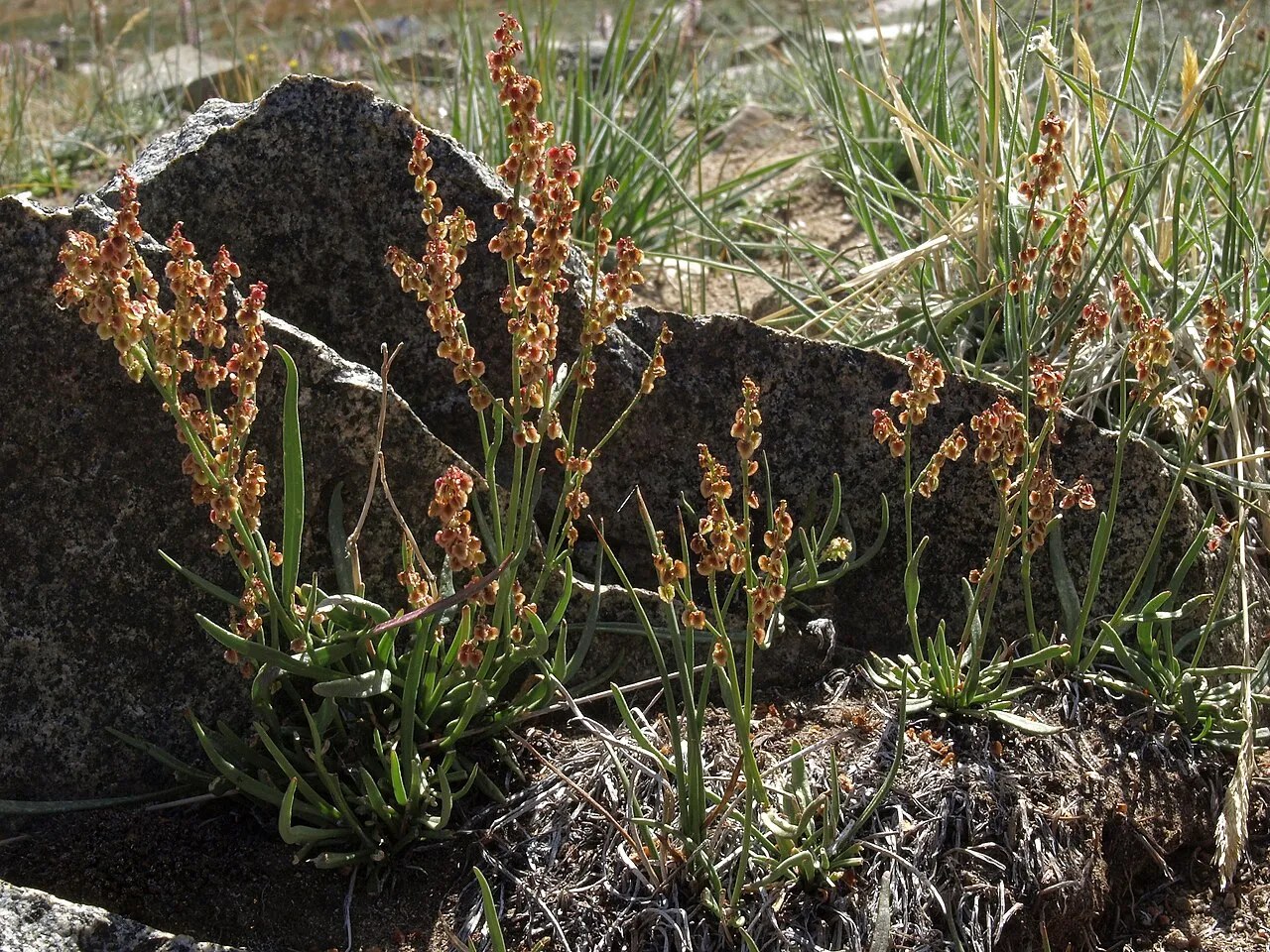
Sprawling Wirevine Muehlenbeckia axillaris

Sprawling Wirevine is an introduced perennial shrub, found in Hawaii. It grows to 0.7 ft.

Growing & care

USDA PLANTS · TRY
Size & form
Sources · Size & form
TRY Plant Trait Database (CC BY 4.0) — Height · Foliage
USDA PLANTS — Lifespan
Height
0.7 ft
Lifespan
Perennial
Foliage
Broadleaf
In the garden
Ground-cover layer — Sits in the ground-cover of a layered food forest or polyculture.Open guide →
derived roles
Species characteristics from USDA PLANTS (public domain) + TRY (CC BY) — general guidance, not a guarantee for your exact site. Deer "browsing" is documented palatability, not a deer-proof claim.

Wildlife & pollinators

How pollinator value is scored →
❧ Caterpillar hosts Documented caterpillar host

Recorded feeding on Muehlenbeckia in North America, including:

Named species (a documented Nearctic sample, not exhaustive) from NHM HOSTS (CC0).
✦ Bees 1 bee visitor

1 native & managed bee species is documented visiting Sprawling Wirevine :

Visitor records (observations, not exhaustive) from Noori et al. 2026 (CC BY 4.0) · GloBI →
Wildlife & visitors 10 birds

Open records of who else uses Sprawling Wirevine — a generalist food-web signal, kept separate from the keystone Ecological Value.

Interaction records (observations, not exhaustive) from GloBI → (CC0). Counts are distinct species; names are the most-recorded. Common names from Wikidata (CC0).
Species thumbnails re-hosted from iNaturalist — Creative Commons, credited per image (hover for credit). Click any species to see it on iNaturalist. Not exhaustive; many taxa have no openly-licensed photo yet.
How we know this (1) Methods & honest limits
Leaf build Direct fact

We read each species’ measured specific leaf area (leaf area per unit dry weight) from the Global Spectrum dataset and band it: thin & fast (high SLA), medium, or thick & tough (low SLA). The global median is about 10 mm²/mg.

Honest limits: A species-mean from pooled measurements — individual plants vary with light and site. A broad strategy signal, not a precise per-plant figure.

Díaz, S. et al. (2022) The global spectrum of plant form and function: enhanced species-level trait dataset. Scientific Data 9:755.
Derived values are computed from open data by a published method — labelled, cited, and never shown as a direct observation. Full methodology →
Sources for this entry (15) Open & cited
[01] Scientific name & family — USDA PLANTS (DwCA, Zenodo 17903503)
[02] Growth habit & duration — USDA PLANTS (DwCA, Zenodo 17903503)
[03] Native status & distribution — USDA PLANTS (DwCA, Zenodo 17903503)
[04] Common name — USDA PLANTS (via GBIF)
[05] Invasive / introduced status — USDA PLANTS (DwCA, Zenodo 17903503) — native status
[07] Ecological value — GloBI
[10] Functional traits — TRY Plant Trait Database (CC BY 4.0)
[11] Wildlife & visitors — GloBI — Global Biotic Interactions (CC0)
[13] Flower-visitor value (derived) — Noori et al. 2026 (CC BY 4.0) · GloBI
[14] Caterpillar species — NHM HOSTS (CC0)
[15] County range — GBIF Open Data — open-licensed occurrences (CC0/CC-BY) → county
Spot an error or have a better photo? Every field links to its source, and the whole dataset is open.
Cite this page Open data, please attribute

PlantKey’s data is open under CC BY-SA 4.0 — free to reuse and adapt, with attribution and the same licence. Photos keep their own per-image licence + credit (see Sources above).

Citation

Loading…

BibTeX
Loading…