
© Matthew Borella · CC BY 4.0
Wikimedia Commons — CC, credited & licensed per image
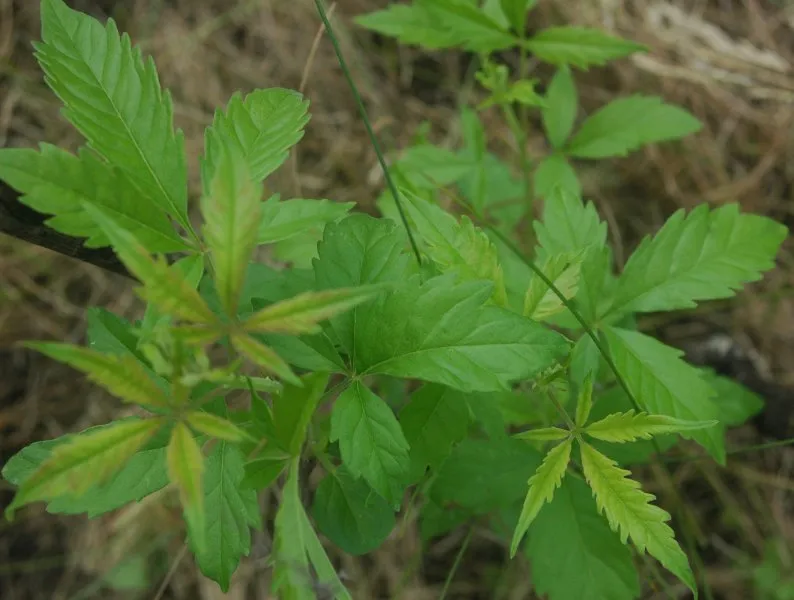
Pictured: Vitex trifolia — the species. This variety isn’t separately illustrated.
Verbenaceae family
Varigated Chastetree (var. variegata) Vitex trifolia var. variegata variety
Varigated Chastetree (var. variegata) is an introduced perennial tree, found in Hawaii. It grows to 10 ft and blooms Jul in part shade – shade, with brown fruit.
Growing & care
USDA PLANTS · TRY Conditions
Sources · Conditions
USDA PLANTS — Sun
USDA — SoilPH — Soil pH
USDA PLANTS (DwCA, Zenodo 17903503) — Fertility Requirement / Soil Adaptation — Fertility need · Adapts to
USDA — Temp-Min °F — Hardiness
- Sun
- Part shade – shade
- Soil pH
- 6–8.5
- Fertility need
- Medium
- Adapts to
- Medium (loam), Fine (clay)
- Hardiness
- USDA zone 11+
Size & form
Sources · Size & form
USDA PLANTS (DwCA, Zenodo 17903503) — Height, Mature — Height
USDA PLANTS (DwCA, Zenodo 17903503) — Planting Density (per acre) — Spacing
USDA PLANTS (DwCA, Zenodo 17903503) — Growth Rate / Spread / Growth Form / Lifespan / Active Growth Period / Seed Period — Spread · Growth rate · Growth form
USDA PLANTS — Lifespan
USDA PLANTS — FoliageTexture — Foliage
USDA PLANTS (DwCA, Zenodo 17903503) — Fruit/Seed Color / Fruit Persistence — Fruit
Lifespan: USDA’s lifespan scale for trees: short = under ~100 years · moderate = 100–250 · long = over 250. Balsam fir and other short-lived conifers are genuinely short for a tree, not short like an annual.
- Height
- 10 ft
- Spacing
- 6–8 ft apart from USDA planting density
- Spread
- Moderate
- Growth rate
- Rapid
- Growth form
- Stoloniferous
- Lifespan
- Perennial · short-lived
- Foliage
- fine texture
- Fruit
- Brown
In the garden
Sources · In the garden
USDA PLANTS (DwCA, Zenodo 17903503) — Propagation Method / Commercial Availability — Propagate by · In the trade
USDA PLANTS (DwCA, Zenodo 17903503) — Germination (cold stratification) — Seed starting
USDA PLANTS — Seed Period — Seeds ripen
USDA PLANTS (DwCA, Zenodo 17903503) — Foliage Texture / Browse Palatability / Resprout — Resprouts if cut
- Propagate by
- Cuttings, Bare root, Container
- Seed starting
- No stratification needed
- Seeds ripen
- Spring – Autumn seed-collection / harvest window
- In the trade
- Routinely available
- Resprouts if cut
- No
Shrub layer — Sits in the shrub of a layered food forest or polyculture.Open guide →
derived roles The garden year bloom → fruit → fall colour
J
F
M
A
M
J
J
A
S
O
N
D
Bloom
Bloom (the flower's colour)
Bloom · Jul — USDA PLANTS (DwCA, Zenodo 17903503) — BloomPeriod
When to sow · for your area
Sow timing keys off your local last- and first-frost dates.
Species characteristics from USDA PLANTS (public domain) + TRY (CC BY) — general guidance, not a
guarantee for your exact site. Deer "browsing" is documented palatability, not a deer-proof claim.
Related plants
More Vitex → Native
Higuerillo
Vitex divaricata
●●●●○ Native
Roundleaf Chastetree
Vitex rotundifolia f.
●●●●○ 
Native
Chinese Chastetree
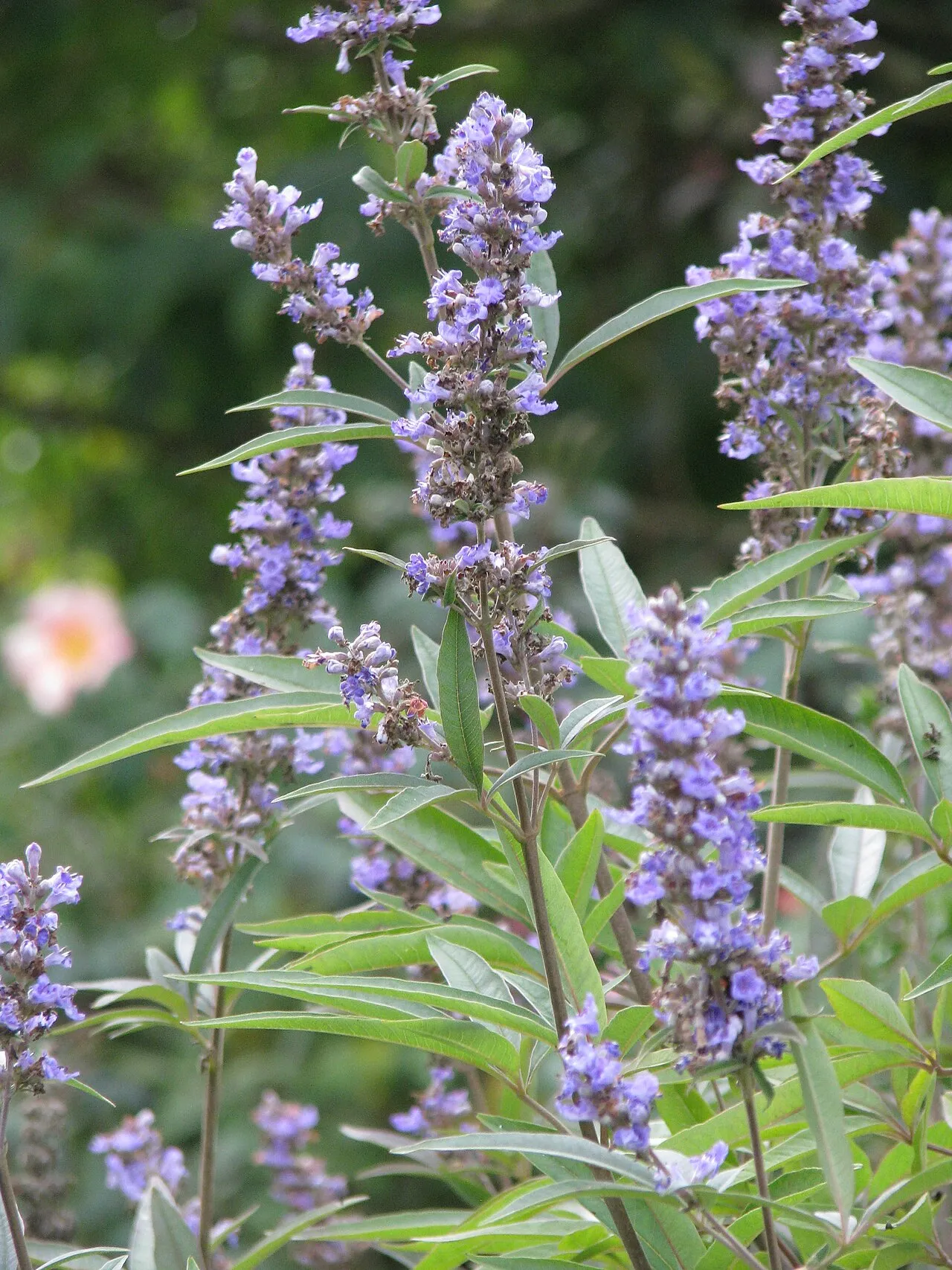
Vitex negundo
●●●○○ 
Native
Lilac Chastetree
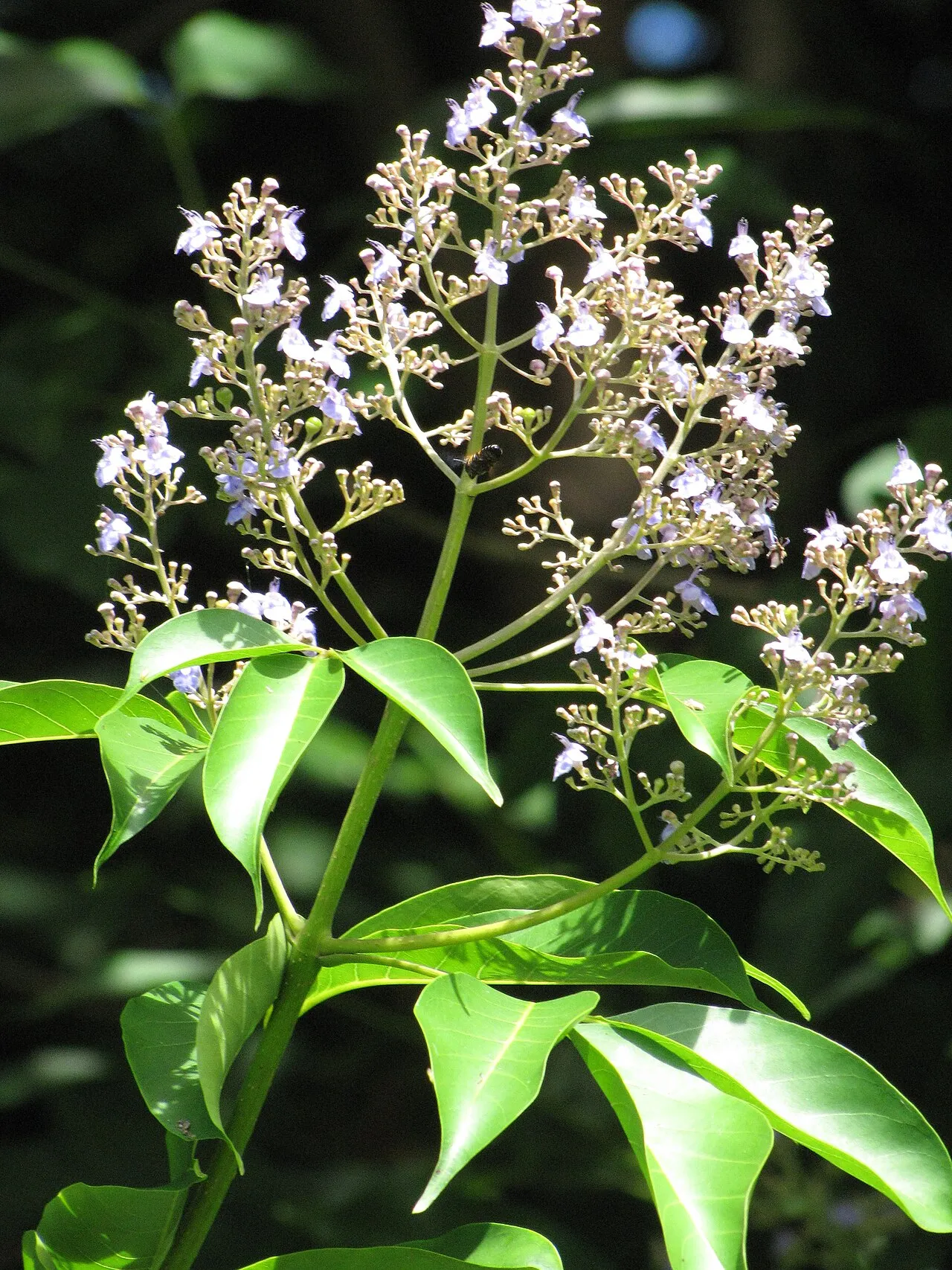
Vitex agnus-castus
●●●○○ 
Native
Smallflower Chastetree
Vitex parviflora
●●●○○ Native
Smooth Chastetree
Vitex glabrata
●●●○○ Same genus / family, ranked by ecological value — from the PlantKey catalog
Sources for this entry (19) Open & cited
[01] Scientific name & family — USDA PLANTS (DwCA, Zenodo 17903503)
[02] Growth habit & duration — USDA PLANTS (DwCA, Zenodo 17903503)
[03] Native status & distribution — USDA PLANTS (DwCA, Zenodo 17903503)
[04] Common name — USDA PLANTS (via GBIF)
[05] Bloom period — USDA PLANTS (DwCA, Zenodo 17903503) — BloomPeriod
[06] Height — USDA PLANTS (DwCA, Zenodo 17903503) — Height, Mature
[07] Sun / shade — USDA PLANTS (DwCA, Zenodo 17903503) — ShadeTolerance
[08] Soil & moisture — USDA PLANTS (DwCA, Zenodo 17903503) — MoistureUse / SoilPH
[09] Cold hardiness (zone) — USDA PLANTS (DwCA, Zenodo 17903503) — Temperature, Minimum °F
[10] Growth & form — USDA PLANTS (DwCA, Zenodo 17903503) — Growth Rate / Spread / Growth Form / Lifespan / Active Growth Period / Seed Period
[11] Soil & fertility — USDA PLANTS (DwCA, Zenodo 17903503) — Fertility Requirement / Soil Adaptation
[12] Landscape traits — USDA PLANTS (DwCA, Zenodo 17903503) — Foliage Texture / Browse Palatability / Resprout
[13] Propagation & availability — USDA PLANTS (DwCA, Zenodo 17903503) — Propagation Method / Commercial Availability
[15] Seed germination — USDA PLANTS (DwCA, Zenodo 17903503) — Germination (cold stratification)
[17] Invasive / introduced status — USDA PLANTS (DwCA, Zenodo 17903503) — native status
[18] Ecological value — GloBI
Spot an error or have a better photo? Every field links to its source, and the whole dataset is open.
Cite this page Open data, please attribute
PlantKey’s data is open under CC BY-SA 4.0 — free to reuse and adapt, with attribution and the same licence. Photos keep their own per-image licence + credit (see Sources above).
Citation
Loading…
BibTeX
Loading…