
Chinese Raspwort Gonocarpus chinensis
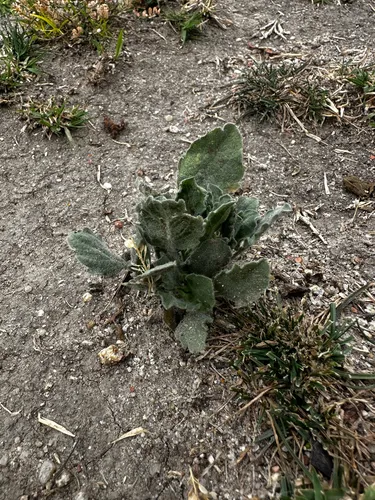
Chinese Raspwort is an introduced perennial herb, found in Hawaii and the lower 48 states.
More about this plant
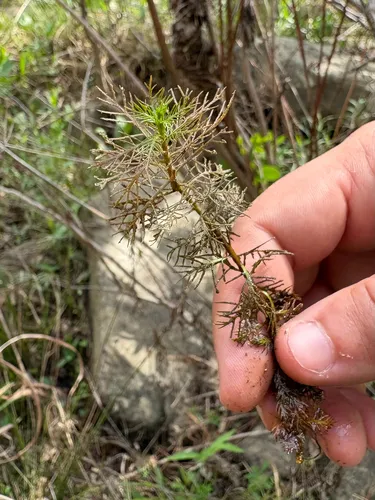
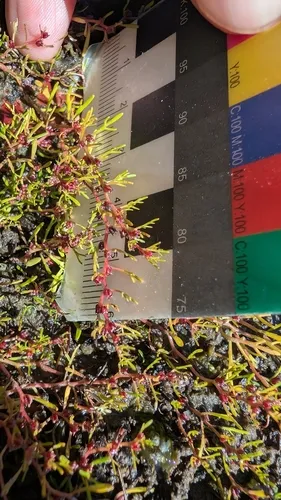
Gonocarpus chinensis is a species of flowering plant in the family Haloragaceae. This shrub is sometimes known by the common name Chinese raspwort. It is native to Australia Borneo, the Caroline Islands, South-Central and Southeast China, Hainan, Indonesia, the Lesser Sunda Islands, Malaysia, Nansei-shoto, New Guinea, the Philippines,Queensland, Sulawesi, Sumatera, and Vietnam. It was introduced to the Hawaiian islands and California. It is not considered an economically important species but can be used for medicine and gardening as ornamental plants. This species lives in wet tropical regions, grasslands, riverbanks and in waste lands in elevations at 100 to 800 meters but at 1800 meters in Southwest China. Wikipedia →
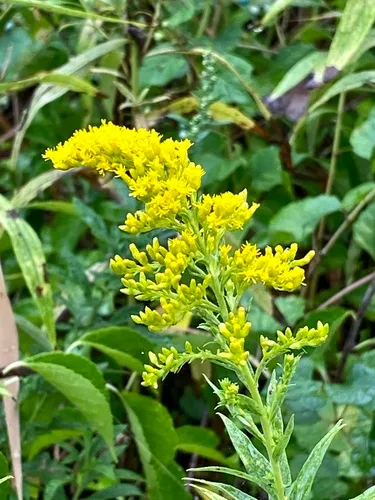
Chinese Raspwort is flagged invasive in the U.S. These natives fill a similar niche — same growth habit, bloom season, height, and region — so you keep the look and feed local wildlife instead of spreading a problem.

Growing & care
USDA PLANTS · TRY- Hardiness
- ≥ zone 11 derived from its U.S. range
- Lifespan
- Perennial
- Foliage
- Broadleaf
Related plants
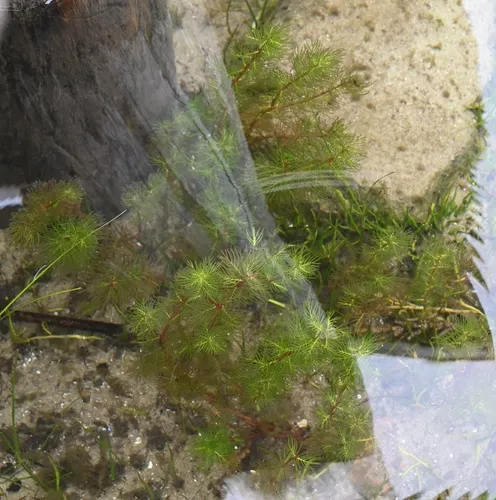
More Gonocarpus →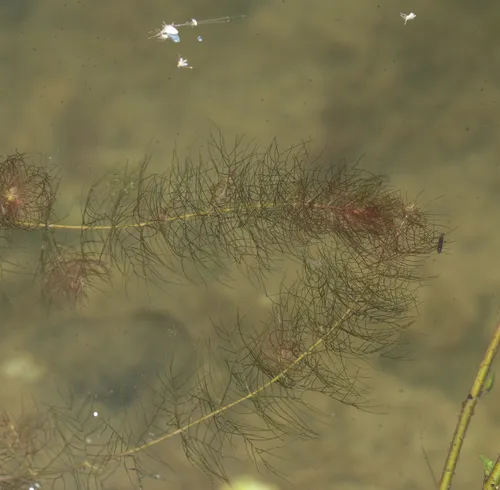
Sources for this entry (12) Open & cited
Cite this page Open data, please attribute
PlantKey’s data is open under CC BY-SA 4.0 — free to reuse and adapt, with attribution and the same licence. Photos keep their own per-image licence + credit (see Sources above).
Loading…
BibTeX
Loading…